
Crypto in a minute

SushiSwap (SUSHI): The Multichain DEX Explained
Learn what SushiSwap (SUSHI) is: the vampire attack origin, v2 and v3 pools, xSUSHI staking, emissions and key risks for traders, explained on LeveX.

SuperVerse (SUPER): One Token for Web3 Gaming
Learn what SuperVerse (SUPER) is: the SuperFarm rebrand, the Impostors game, ETH staking, Blackhole buybacks and SUPER supply risks, explained on LeveX.
Stacks (STX): Smart Contracts Secured by Bitcoin
Learn what Stacks (STX) is, how Proof of Transfer pays BTC to stakers, and how sBTC and Bitcoin Staking bring DeFi to Bitcoin. A LeveX guide.

SSV Network (SSV): Ethereum's Distributed Validators
Learn what SSV Network is, how distributed validators split Ethereum keys across operators, and how SSV staking pays ETH fees. A LeveX guide.
SKALE (SKL): Gas-Free Ethereum Chains Explained
Learn what SKALE (SKL) is: gas-free Ethereum-compatible chains, SKL staking and tokenomics, the hubs, AI agent payments and FAIR. A LeveX guide.
The Sandbox (SAND): Metaverse Token Explained
What is The Sandbox (SAND)? Learn how LAND, VoxEdit and Seasons work, what SAND does in 2026 and what changed after the restructuring. On LeveX.
Sonic (S): The Fantom Successor Explained
What is Sonic (S)? Learn how the Fantom successor works, what the S token does, its FeeM fee model and 2026 changes, and how to trade S on LeveX.
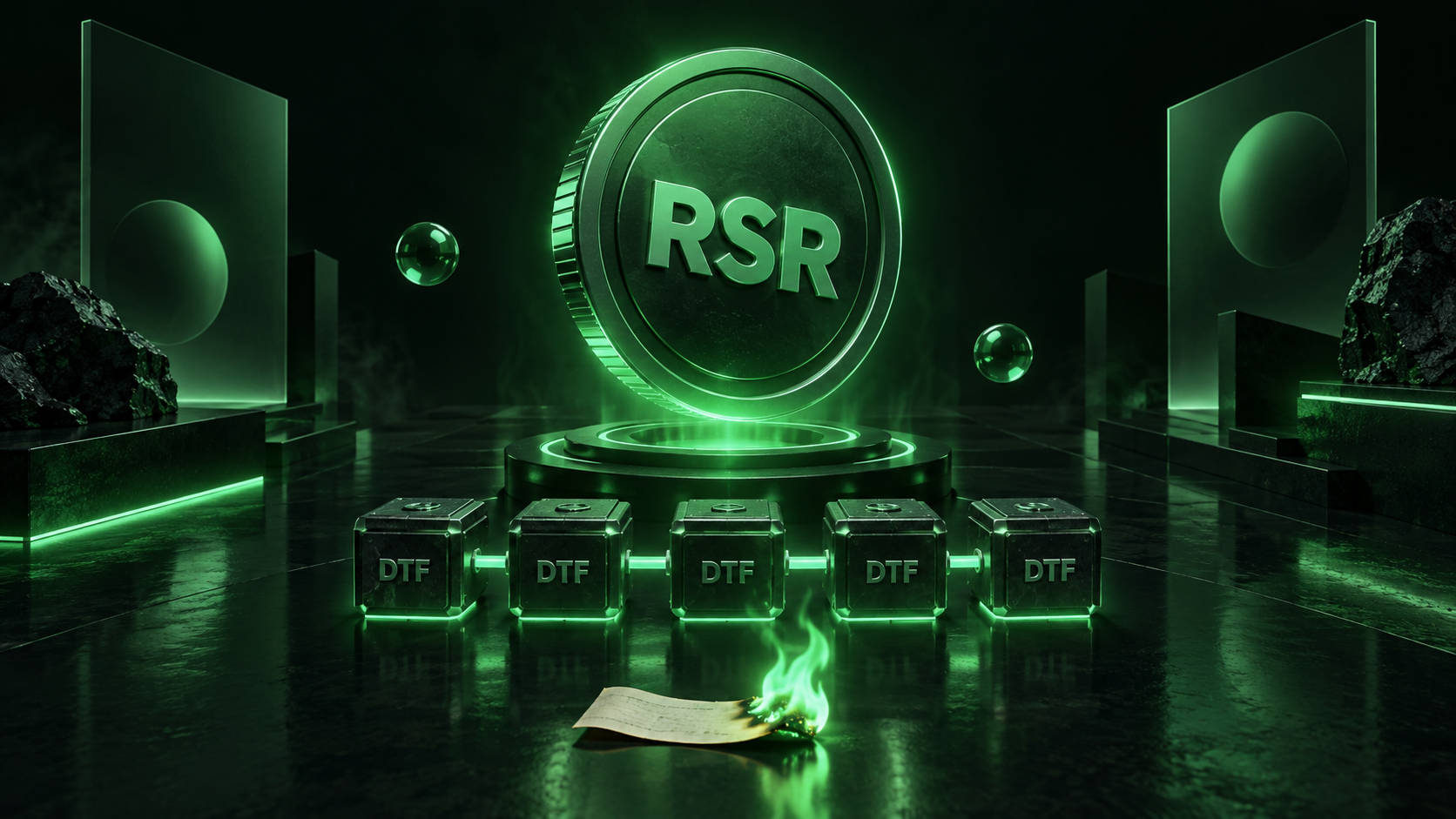
Reserve Rights (RSR): Token Behind Onchain Indexes
Reserve Rights (RSR) explained: how RSR governs and backs Reserve DTFs, the monthly fee burns, the 100B supply and how to trade RSR on LeveX.
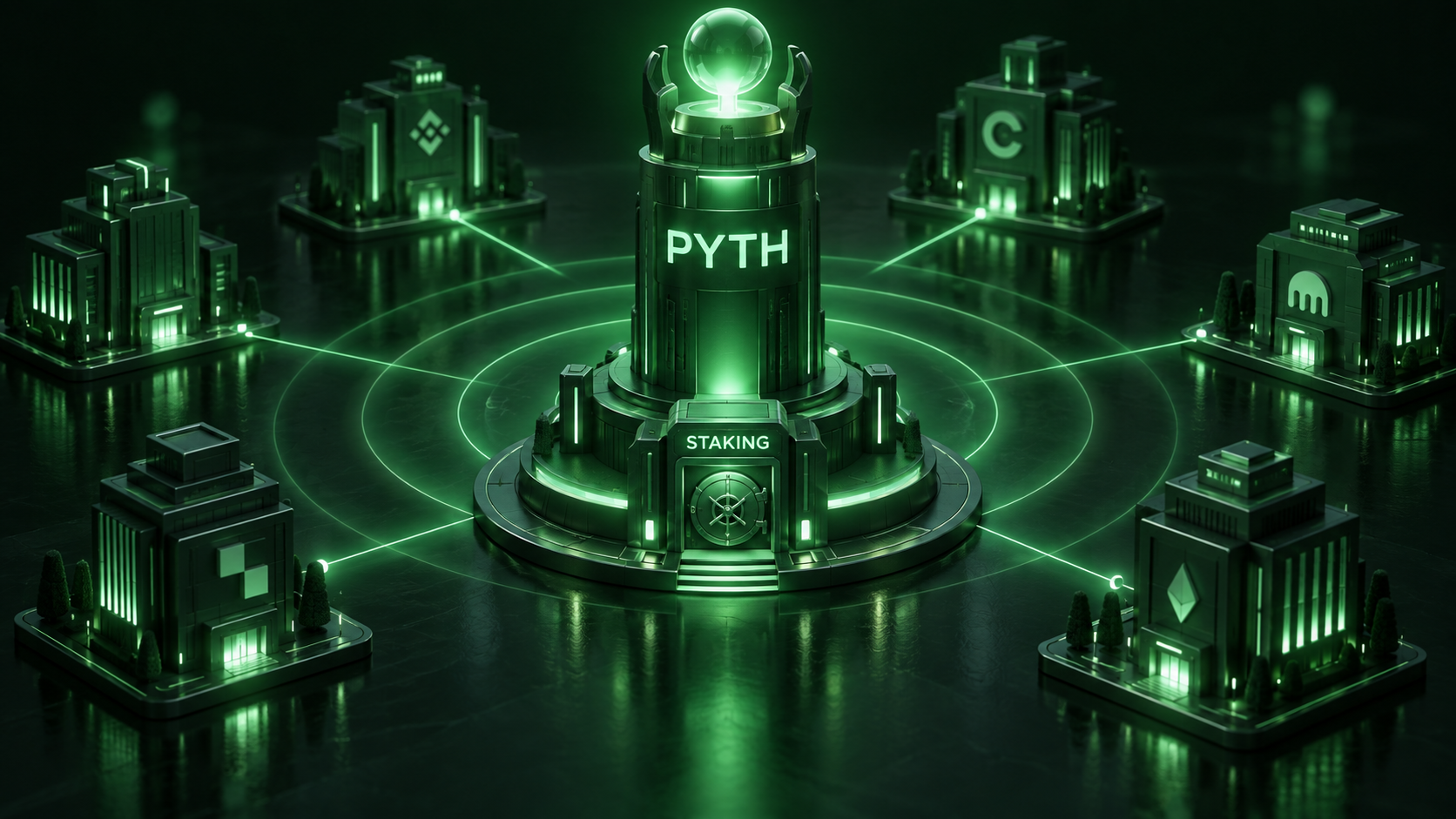
Pyth Network (PYTH): First-Party Price Oracle
Pyth Network (PYTH) explained: how its first-party pull oracle works, PYTH staking and buybacks, the 2027 unlock, and how to trade PYTH on LeveX.
Popcat (POPCAT): From Viral Cat to Solana Coin
Popcat (POPCAT) explained: the Oatmeal meme, 979.98M fixed supply, burned liquidity, price history, and how to trade the Solana cat on LeveX.
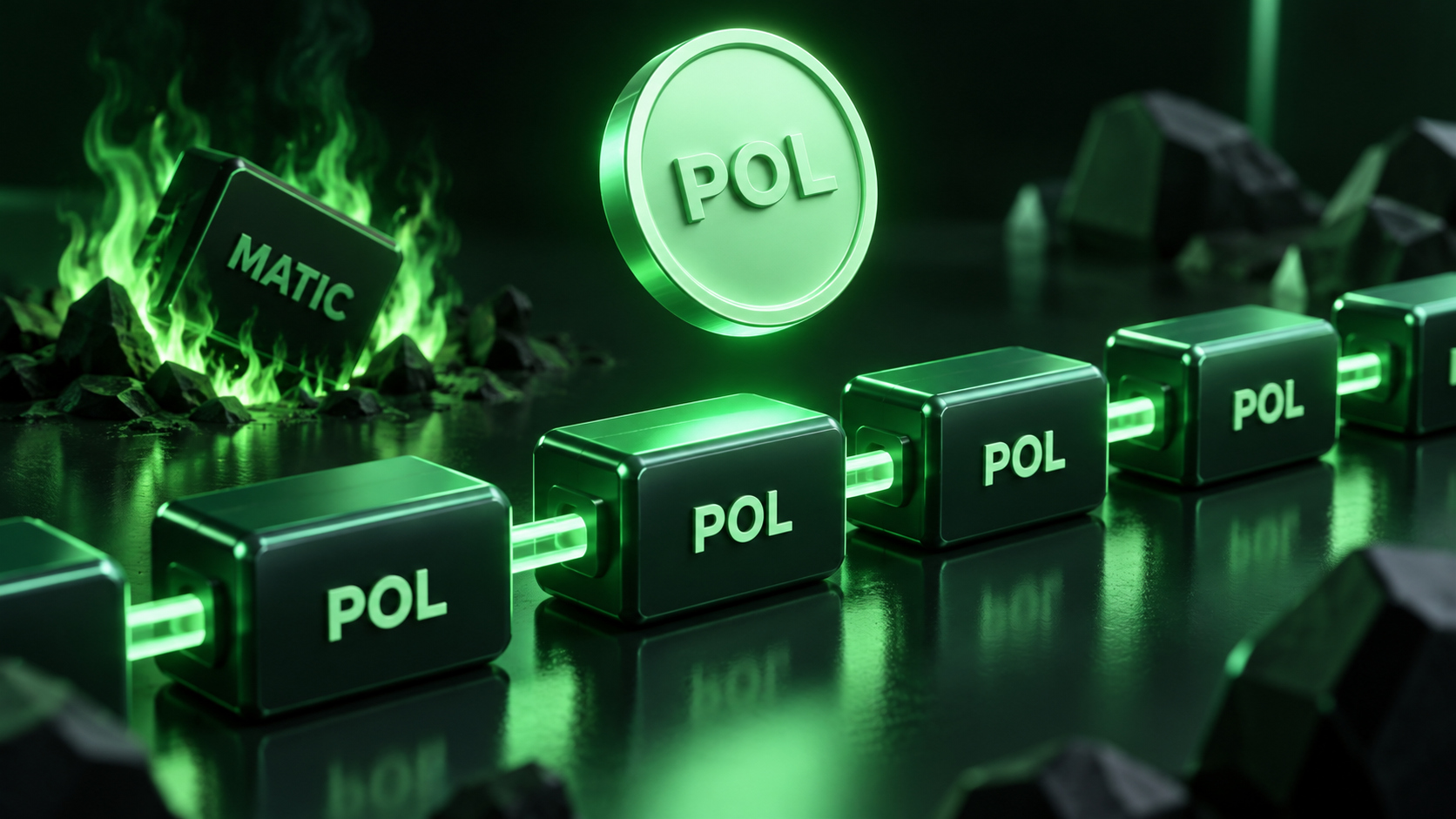
Polygon (POL): The Payments Chain Explained
Polygon (POL) explained: the MATIC migration, staking, AggLayer, the Rio upgrade, and what the 2026 burn means. Trade POL spot and futures on LeveX.

Peanut the Squirrel (PNUT): The Memorial Memecoin
What is Peanut the Squirrel (PNUT)? Learn how the Solana memorial memecoin launched, what moves its price, and how to trade PNUT on LeveX.

ConstitutionDAO (PEOPLE): A Token Without a DAO
Learn what ConstitutionDAO (PEOPLE) is, why its token outlived the 2021 Constitution bid, how Juicebox redemption works and how to trade it on LeveX.
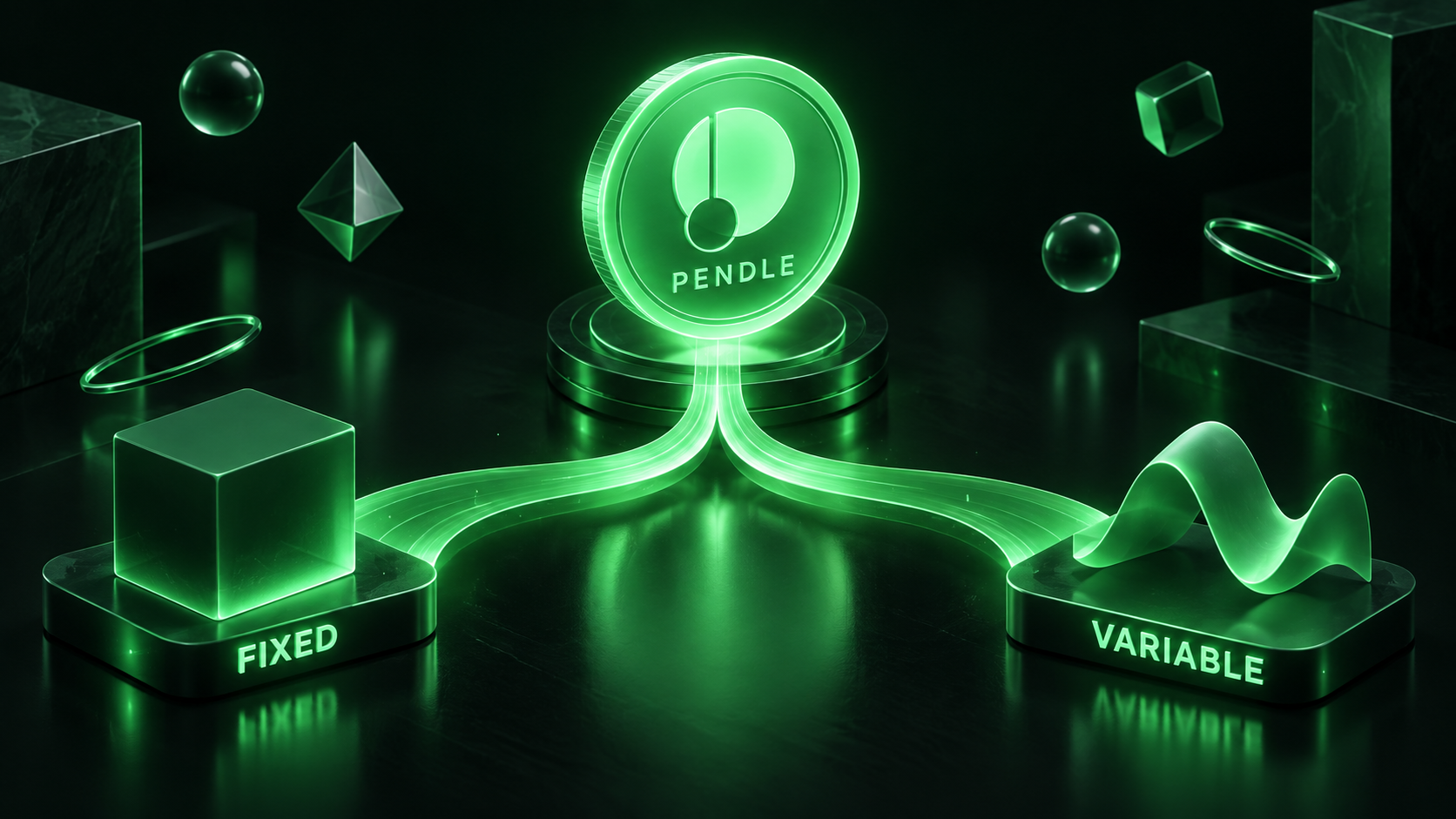
Pendle (PENDLE): Trading Yield in DeFi
Learn how Pendle (PENDLE) splits DeFi yield into fixed and variable tokens, what sPENDLE and Boros do, and how to trade PENDLE on LeveX spot and futures.

Optimism (OP): Ethereum's Superchain Layer 2
Learn how Optimism (OP) scales Ethereum with optimistic rollups, the OP Stack and the Superchain. Trade OP on LeveX spot and perpetual futures.
Notcoin (NOT): Telegram's Tap-to-Earn Token
Notcoin (NOT) explained: the Telegram tap-to-earn origin, the 78% player airdrop, Explore campaigns and how to trade the TON token on LeveX.
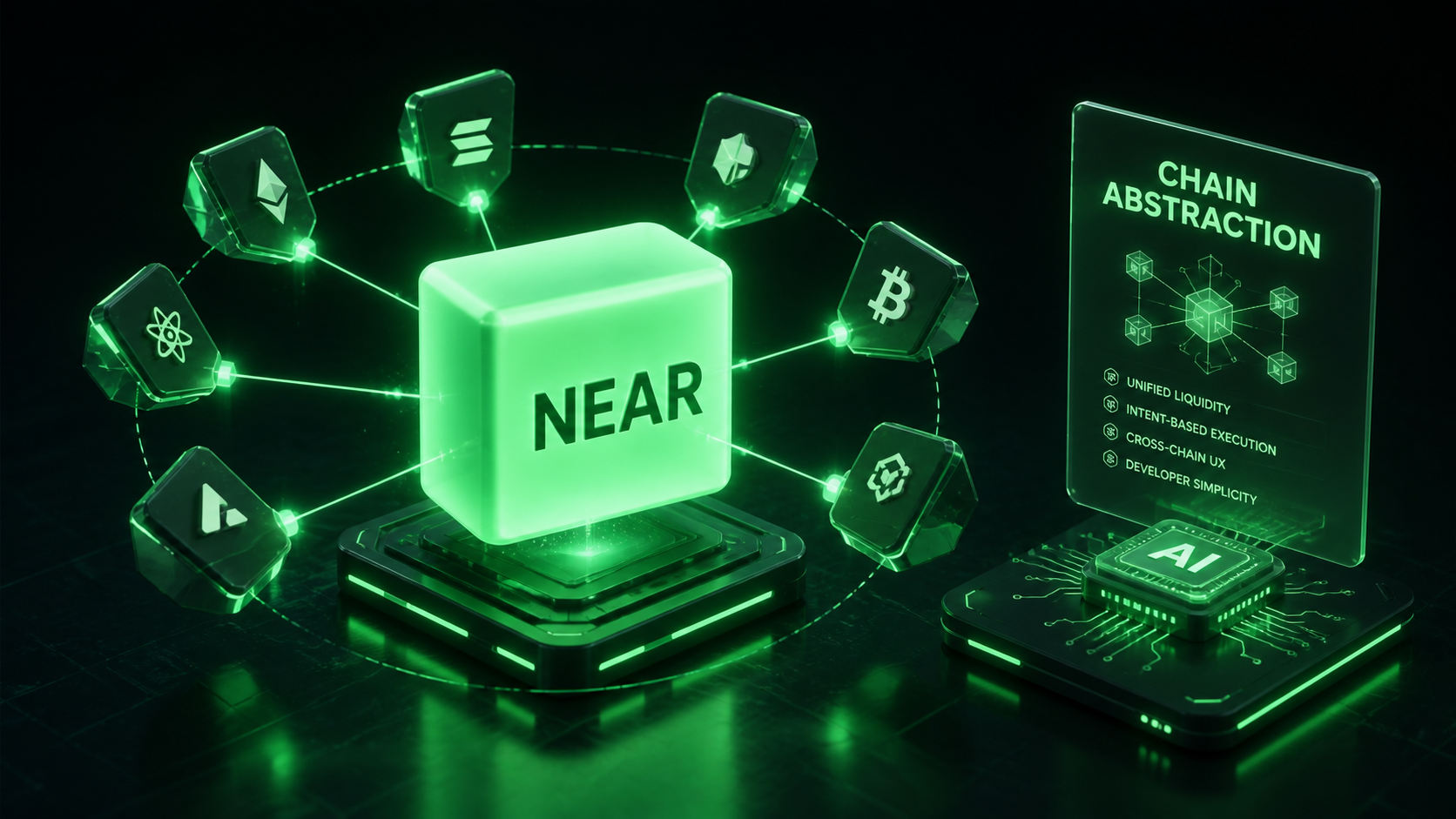
NEAR Protocol (NEAR): The Chain Abstraction L1
Learn how NEAR Protocol works: Nightshade sharding, chain abstraction, NEAR Intents, tokenomics, and the AI roadmap. Trade NEAR on LeveX.
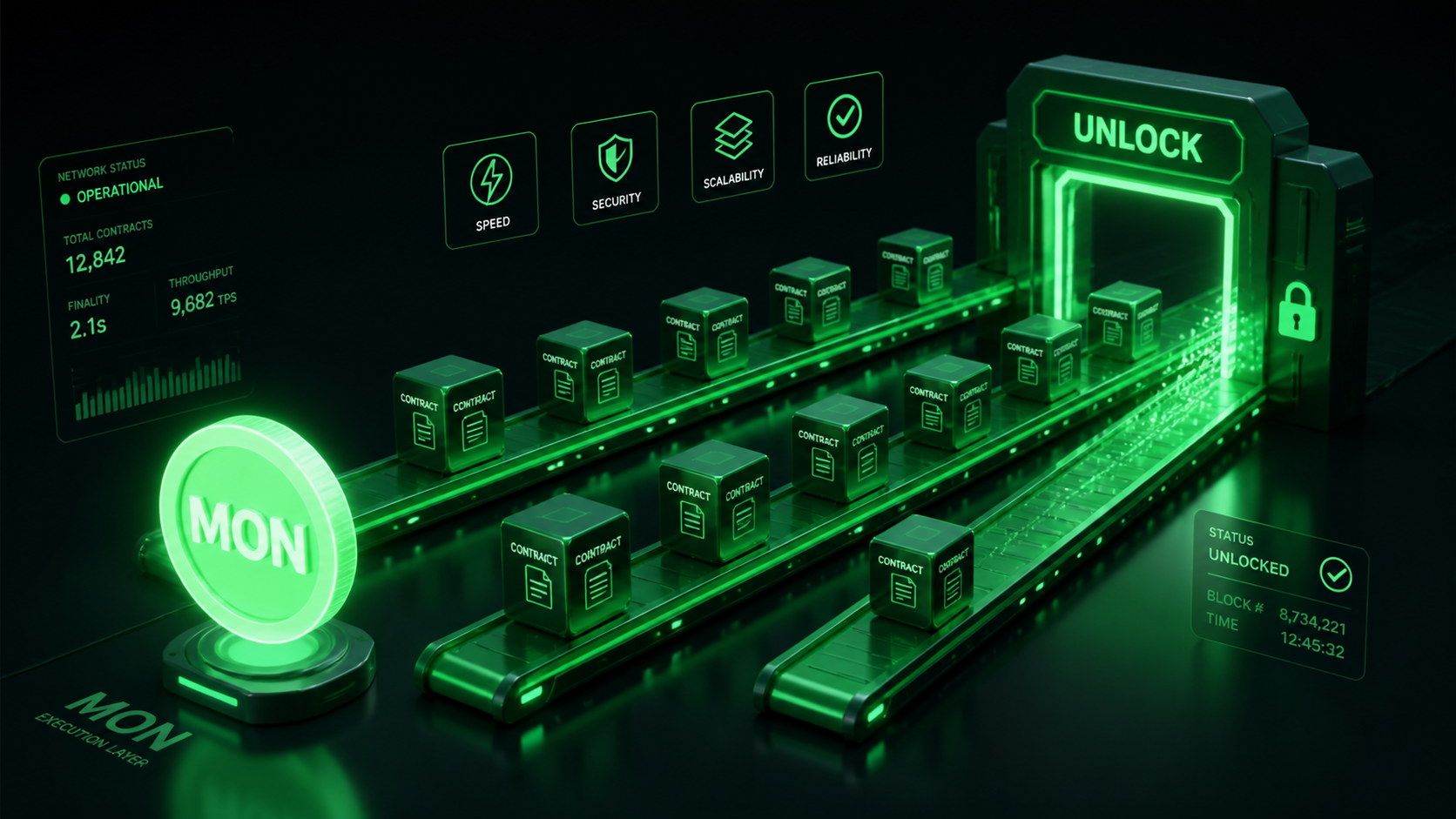
Monad (MON): The Parallel EVM Layer 1
Learn how Monad (MON) runs Ethereum contracts in parallel at 10,000 TPS. Explore MonadBFT, tokenomics, unlocks, and the ecosystem on LeveX.

Cat in a Dogs World (MEW): Solana's Cat Coin
Cat in a Dogs World (MEW) explained: fair launch, 88.9B fixed supply, the animated IP bet, and how to trade the Solana cat coin on LeveX.
Memecoin (MEME): 9GAG's Meme Token Explained
What is Memecoin (MEME)? A guide to 9GAG's Memeland token, its 69B supply, NFT airdrop origins, and how MEME trades on LeveX spot and futures.